The Complete Guide to Home Appliance Plastic Materials in 2026
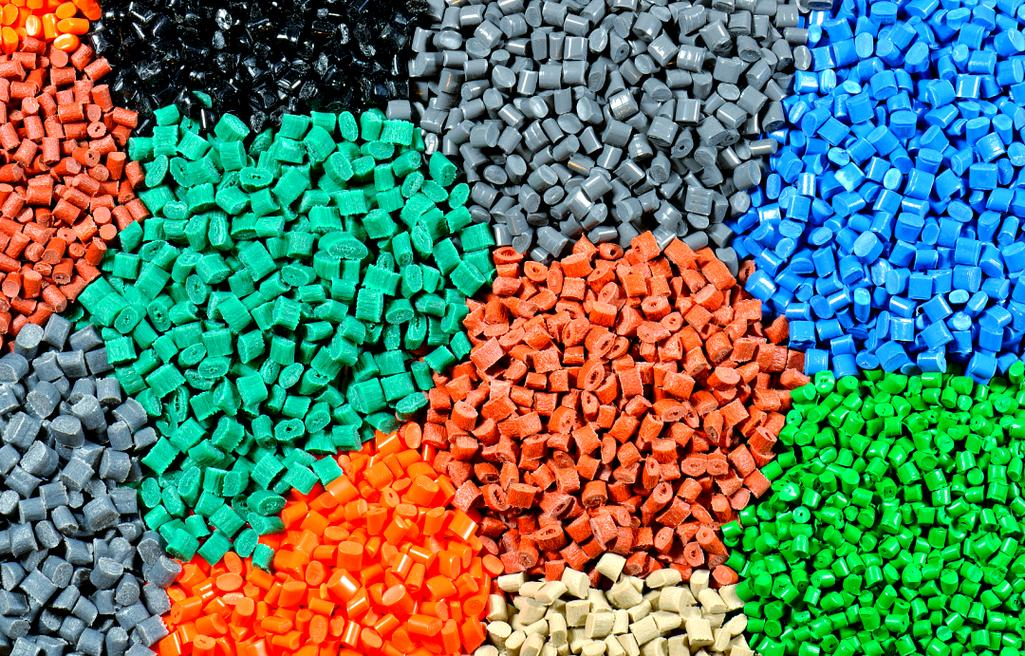
Sep 14, 2026 A comprehensive guide to plastic materials used in home appliance manufacturing, covering material properties, component applications, safety standards, design considerations, and how to select the right material for your appliance project.
Introduction to Home Appliance Plastics
Plastics have become the backbone of modern home appliance manufacturing. From hair dryers and rice cookers to refrigerators and air conditioners, engineered plastics offer an unmatched combination of lightweight construction, design flexibility, electrical insulation, and cost-effectiveness. As consumer expectations for safety, durability, and aesthetic quality continue to rise in 2026, selecting the right plastic material has never been more critical for appliance designers and manufacturers. An experienced plastic injection molding manufacturer can help you solve many problems.
The global home appliance plastics market is projected to reach $38.6 billion by 2027, driven by the growth of smart home devices, demand for energy-efficient appliances, and the shift toward sustainable and recycled materials. Understanding the performance characteristics, regulatory requirements, and processing considerations of each material type is essential for bringing safe, reliable, and market-competitive appliances to consumers.
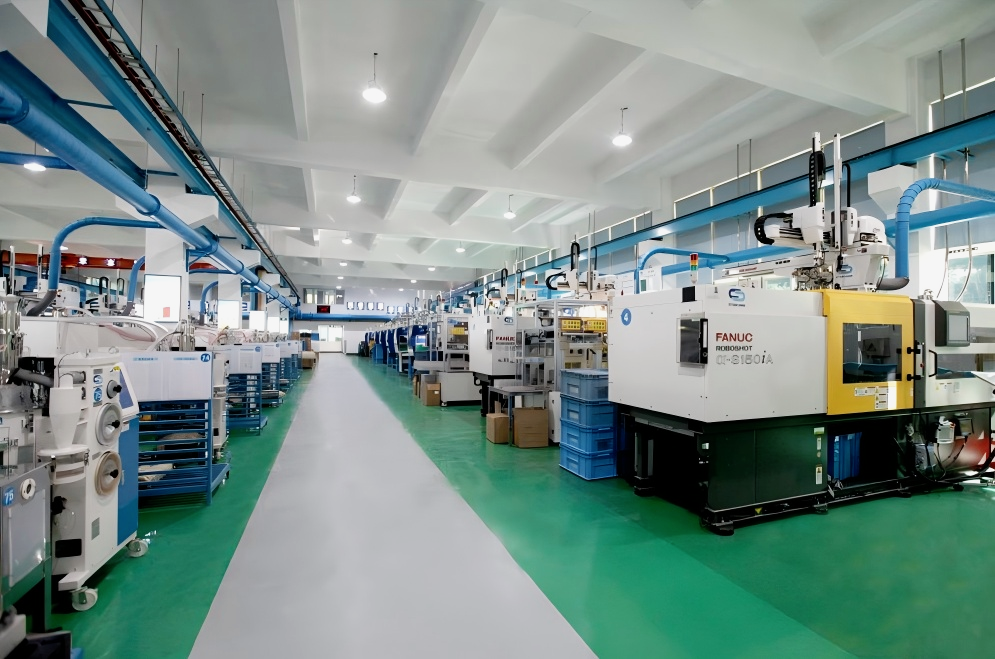
Key Plastic Materials for Home Appliances
Choosing the right plastic material directly impacts appliance performance, safety certification, and manufacturing cost. Below are the most commonly used engineering plastics in the home appliance industry:
ABS (Acrylonitrile Butadiene Styrene)
ABS is the workhorse of the appliance industry, valued for its excellent impact resistance, good surface finish, and ease of processing. It is widely used for refrigerator door liners, washing machine control panels, hair dryer housings, and small appliance casings. ABS can be easily painted, electroplated, or textured for premium aesthetics.
Key properties: Good impact strength, high gloss surface, easy to process, good dimensional stability
Typical applications: Control panels, housings, knobs, trim parts, fan grilles
PP (Polypropylene)
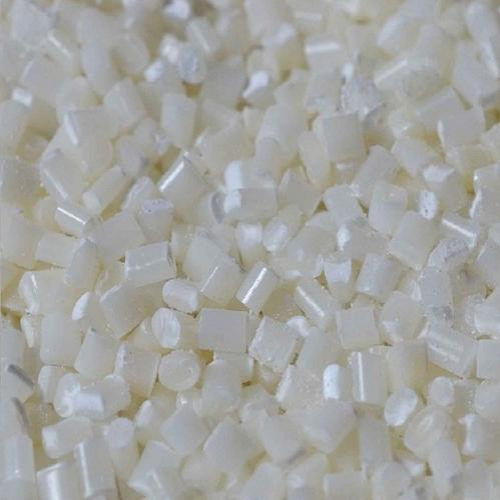
PP offers outstanding chemical resistance, fatigue resistance, and food-safe properties at a low cost. It is the material of choice for food-contact appliances such as rice cooker inner lids, food processor bowls, and blender jars. PP's natural flexibility also makes it ideal for living hinges and snap-fit assemblies.
Key properties: Excellent chemical resistance, food-safe, good fatigue resistance, low density
Typical applications: Rice cooker components, food containers, washing machine drums, fan blades
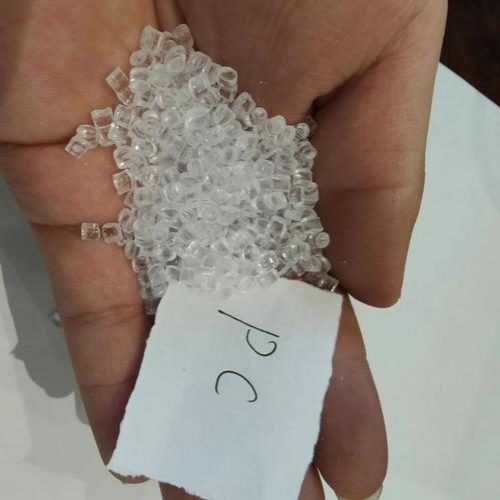
PC (Polycarbonate)
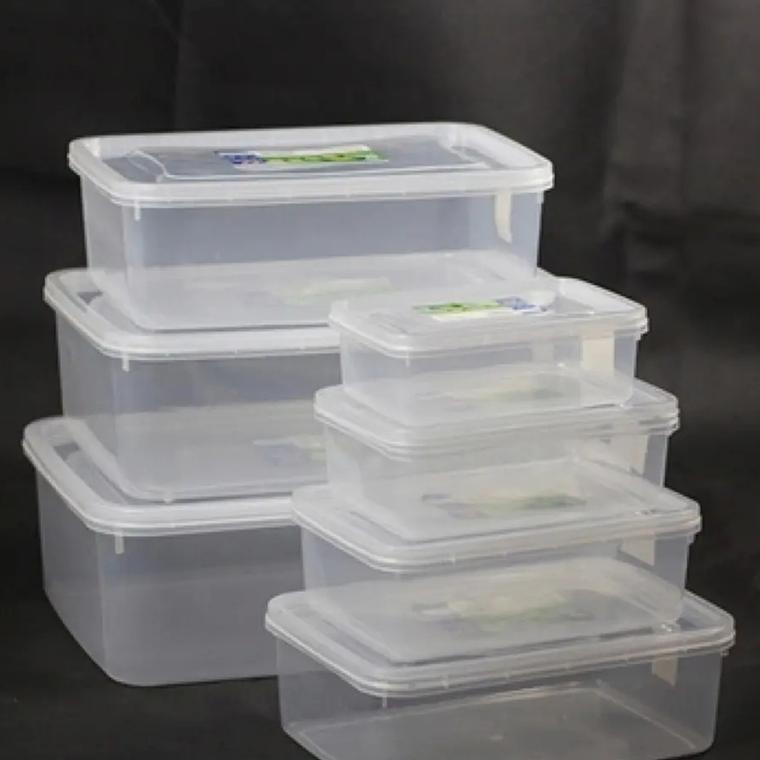
PC delivers exceptional impact strength and optical clarity, making it perfect for transparent appliance components. It is commonly used for electric kettle bodies, juicer covers, blender jars, and indicator light lenses. PC can withstand boiling water temperatures and meets strict food safety standards.
Key properties: Exceptional impact strength, high transparency, heat resistance up to 120°C
Typical applications: Kettle bodies, transparent covers, safety shields, display windows
PA / Nylon (Polyamide)
Nylon is a high-performance engineering plastic with excellent toughness, wear resistance, and heat resistance. It is used in appliances where mechanical strength is critical, such as blender bases, motor housings, gear systems, and high-temperature hair dryer ducts. Glass-fiber reinforced nylon can achieve strength comparable to some metals.
Key properties: High toughness, excellent wear resistance, good heat resistance, self-lubricating
Typical applications: Motor brackets, gears, bearings, high-temperature ducts, structural components
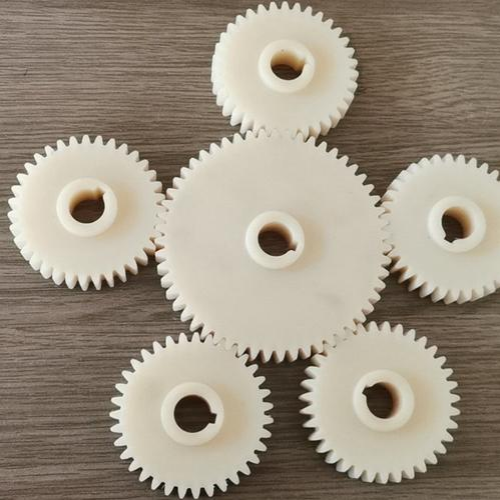
POM (Acetal / Polyoxymethylene)
POM offers excellent dimensional stability, low friction, and good creep resistance, making it ideal for precision moving parts in appliances. It is commonly used in gear systems, slide mechanisms, and snap-fit components that require long-term dimensional accuracy.
Key properties: Excellent dimensional stability, low friction coefficient, good creep resistance
Typical applications: Gears, bearings, slide mechanisms, precision
structural parts
PMMA (Acrylic)
PMMA provides outstanding optical clarity and weatherability, often used as a more scratch-resistant alternative to PC for display panels and decorative trims. It is widely used in control panel overlays, indicator light diffusers, and decorative appliance surfaces.
Key properties: Excellent optical clarity, high scratch resistance, good weatherability
Typical applications: Display panels, decorative trims, light diffusers, indicator covers
PPS (Polyphenylene Sulfide)
PPS is a high-temperature engineering plastic that can withstand continuous use temperatures above 220°C. It is used in high-heat appliance components such as hair dryer heating element holders, oven parts, and motor insulation components. PPS is inherently flame retardant and meets UL94 V-0 standards.
Key properties: Extreme heat resistance, inherent flame retardancy, excellent chemical resistance
Typical applications: High-temperature hair dryer components, motor insulation, oven parts
Component-by-Component Material Guide
Different appliance components have different performance requirements. Here is a breakdown of which materials work best for each part type:
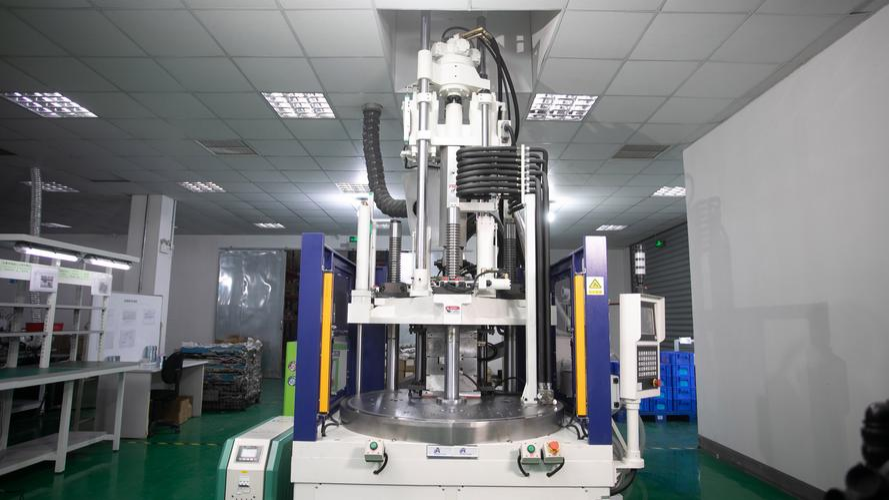
Housings and Outer Casings
Appliance housings require a balance of impact resistance, aesthetic quality, and cost. ABS is the most common choice for mid-range appliances, while ABS/PC blends offer upgraded impact resistance for premium models. For high-heat appliances like hair dryers, heat-resistant ABS or PPS may be required for areas near heating elements
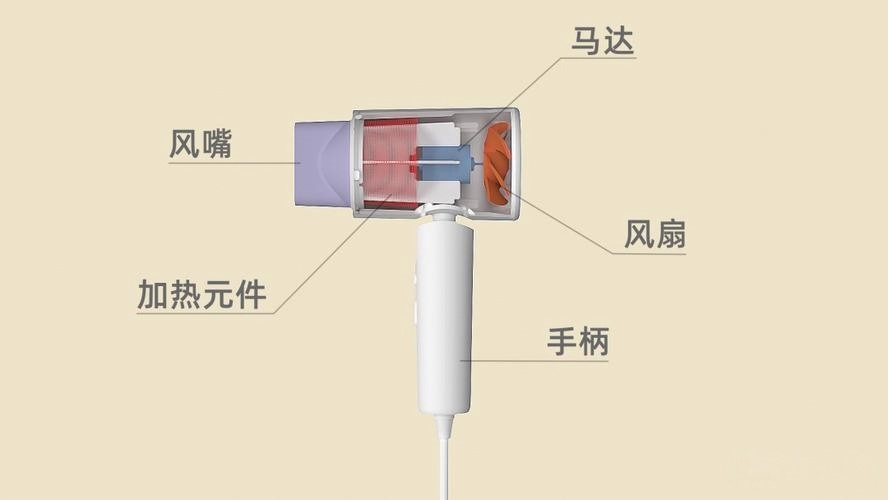
Fan Blades and Impellers
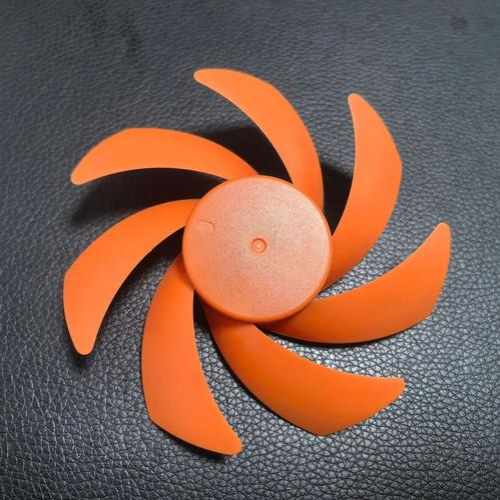
Fan blades demand lightweight construction, dimensional stability, and resistance to vibration fatigue. PP and glass-filled nylon are the primary choices. Aluminum blades are used in high-end industrial and premium home fans for superior balance and durability, but plastic blades dominate the consumer market due to their low noise and cost advantages.
Food-Contact Components
Any part that comes into direct contact with food — such as rice cooker lids, blender jars, and food processor bowls — must use food-grade PP or food-grade PC certified to FDA or LFGB standards. Food-safe materials must withstand repeated washing and heating without leaching harmful substances.
Electrical Insulation Components
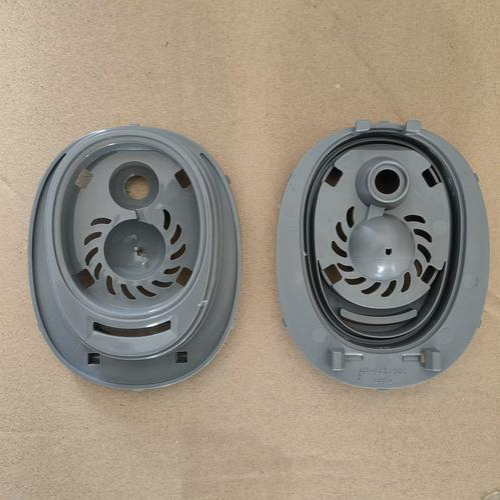
Parts that provide electrical insulation — including motor brackets, switch housings, and connector bodies — require materials with excellent dielectric properties and flame retardancy. Flame-retardant ABS, PBT, and PPS are commonly specified, often meeting UL94 V-0 or 5VA flame ratings.
Transparent and Display Components
Transparent parts such as kettle bodies, window panels, and display covers rely on PC for impact resistance or PMMA for superior scratch resistance and optical clarity. The choice depends on whether impact strength or surface hardness is the priority.
Safety and Regulatory Standards
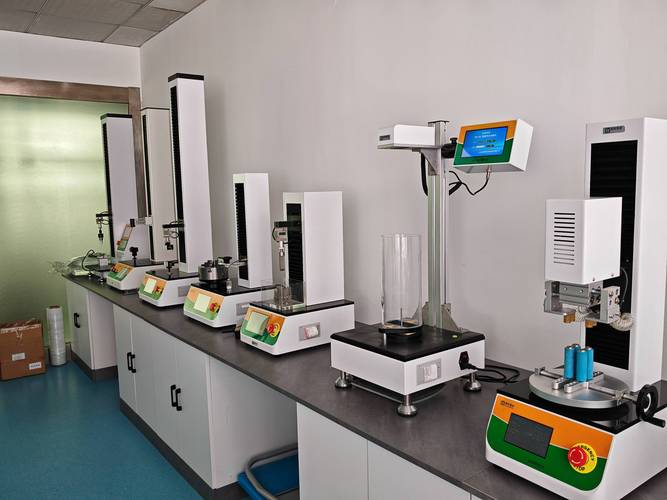
Home appliance plastics must meet strict safety and regulatory standards. Non-compliance can result in product recalls, legal liability, and damage to brand reputation.
Food Safety Standards
FDA (US Food and Drug Administration): Required for any food-contact appliance sold in the US market
LFGB (German Food and Feed Code): The most stringent food safety standard in Europe
GB 4806.6-2016 (China): National food safety standard for plastic food contact materials
Flame Retardancy Standards
UL94: The industry standard for plastic flammability, with ratings from HB (slowest) to 5VA (highest)
IEC 60335: International safety standard for household and similar electrical appliances
Glow Wire Test (GWT): Measures resistance to ignition by a glowing wire, simulating electrical fault conditions
Environmental and Chemical Standards
RoHS (Restriction of Hazardous Substances): Restricts lead, mercury, cadmium, and other hazardous substances
REACH (Registration, Evaluation, Authorization, and Restriction of Chemicals): EU regulation on chemical substance
safety
Prop 65 (California): Requires warning labels for products containing chemicals known to cause cancer or reproductive harm
Design Considerations for Appliance Plastics
Successful appliance design requires careful consideration of how plastic materials behave in real-world conditions.
Thermal Performance
Appliances generate heat during operation, and plastic components must maintain their structural integrity at elevated temperatures. Designers must consider heat deflection temperature (HDT), continuous use temperature, and coefficient of thermal expansion when selecting materials. For high-heat zones, consider using PPS, heat-resistant nylon, or metal heat shields to protect plastic components.
Environmental Stress Cracking
Many plastics are susceptible to environmental stress cracking (ESC) when exposed to certain chemicals under mechanical stress. Appliances that come into contact with detergents, oils, or cleaning agents require materials with good ESC resistance, such as PP or POM.
UV and Weathering Resistance
Appliances used outdoors or near windows — such as air conditioners, outdoor fans, and refrigerators with glass doors — require UV-stabilized materials. ASA (Acrylonitrile Styrene Acrylate) is an excellent alternative to ABS for outdoor use, offering significantly better UV resistance and weatherability.
Sustainability and Recyclability
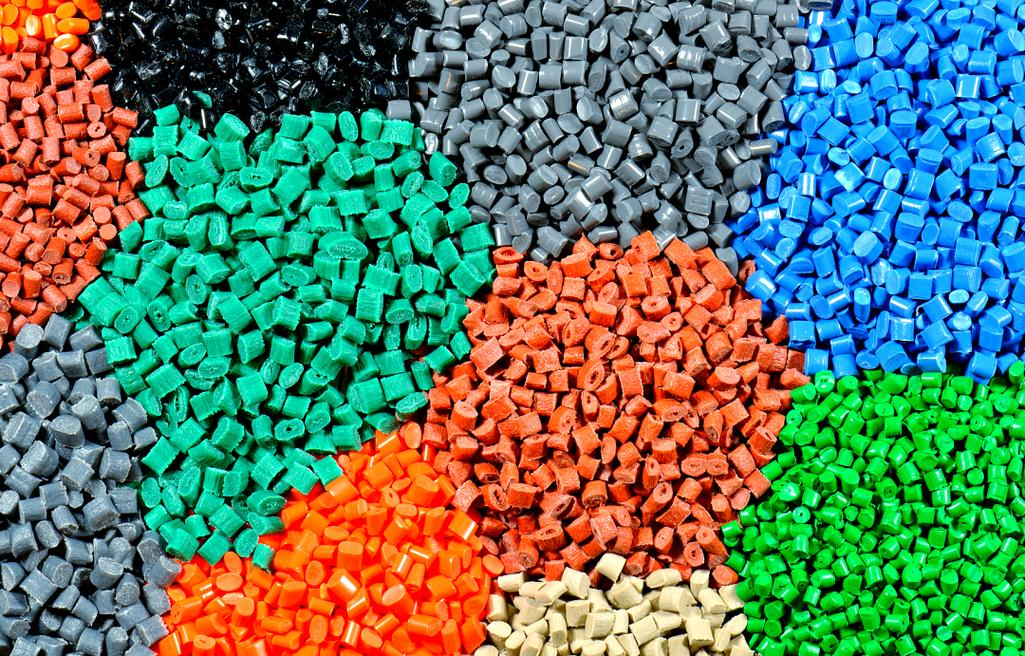
Consumer demand for sustainable products is driving the adoption of recycled and bio-based plastics in home appliances. Many manufacturers are now using post-consumer recycled (PCR) plastics for non-cosmetic structural parts, and bio-based PP derived from sugarcane for food-contact components.
Applications Across Major Appliance
Categories
Plastic materials play different roles across the full spectrum of home appliances:
Small Kitchen Appliances — Rice cooker housings (ABS), inner lids (food-grade PP), blender jars (PC/PP), toaster handles (heat-resistant Bakelite/PA), coffee machine components (PPS/PA)
Personal Care Appliances — Hair dryer housings (heat-resistant ABS/PPS), fan blades (PP/PA), electric toothbrush bodies (ABS/TPE), shaver components (POM/PC)
Cooling and Ventilation — Electric fan blades (PP/AS), fan grilles (ABS), air conditioner panels (ABS/HIPS), refrigerator liners (ABS/HIPS)
Major Home Appliances — Washing machine drums (PP), control panels (ABS/PC), refrigerator door bins (PP/PS), dryer components (heat-resistant PP/PA)
Smart Home Devices — Smart speaker housings (ABS/PC), security camera enclosures (ASA/PC), robot vacuum components (ABS/PA/POM)
How to Choose the Right Plastic Material for Your Appliance
Working with an experienced plastic injection molding manufacturer can help you avoid costly material selection mistakes. Selecting the optimal plastic material is a balancing act of performance requirements, regulatory compliance, and cost. Consider these key factors:
Operating temperature range — Determine the maximum and minimum temperatures the part will encounter during normal and fault conditions. Choose a material with a heat deflection temperature at least 20°C above the expected operating temperature.
Mechanical requirements — Evaluate the load, impact, wear, and fatigue conditions the part will experience. Reinforced grades (glass-filled nylon, mineral-filled PP) may be needed for structural components.
Regulatory and safety certifications — Identify which standards apply to your product and market (FDA, UL, RoHS, REACH, etc.). Always verify material certifications with the supplier before finalizing your design.
Surface finish and aesthetics — Consider whether the part requires a high-gloss finish, texture, painting, or plating. ABS and PC offer the best surface quality for cosmetic parts.
Manufacturing volume and cost — High-volume production can justify more expensive materials if they reduce defects and improve yield. For low-volume projects, consider more economical commodity plastics where performance allows.
Sustainability goals — If your brand prioritizes environmental responsibility, explore PCR plastics, bio-based materials, and designs that facilitate end-of-life recycling.
Conclusion
Plastic materials are the unsung heroes of the home appliance industry, enabling the design of safe, efficient, and affordable products that improve daily life. As we advance through 2026, the range of available materials continues to expand, offering new possibilities in performance, sustainability, and design freedom.
Whether you are developing a new hair dryer, designing a next-generation rice cooker, or optimizing an existing appliance line, a deep understanding of plastic material properties and applications is essential for success. Working with an experienced plastic injection molding manufacturer partner who can guide you through material selection, regulatory compliance, and design for manufacturability will help you bring better products to market faster.
Ready to find the perfect plastic solution for your home appliance project? Contact our engineering team is here to help — from material selection and DFM analysis to full-scale production. Contact us today for a free consultation and quote.
About Sanmoo Tech — A professional home appliance plastic parts manufacturer with 15+ years of injection molding experience, serving clients in 30+ countries.